

- Wasiu Adekunle Adejumo | Premier World News (PWN)
Abeokuta, Ogun State – In a strategic move to strengthen Nigeria’s information ecosystem ahead of future elections, FactCheckAfrica has trained hundreds of youths, journalists, civic actors and professionals in Ogun State on the ethical and inclusive use of Artificial Intelligence (AI) to promote transparency, accountability and democratic integrity.
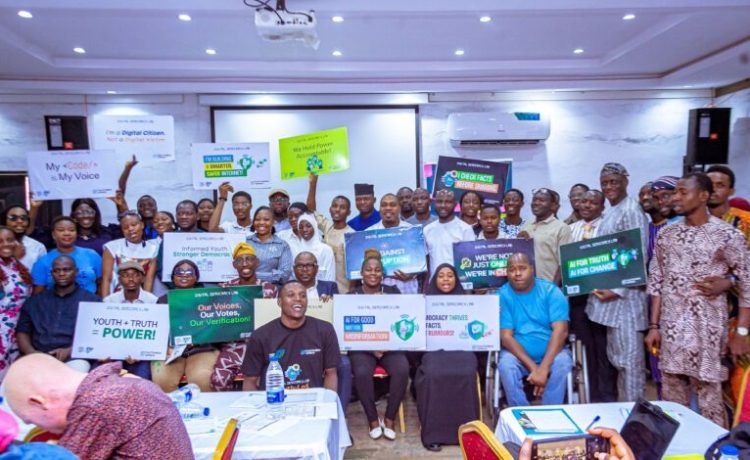
The one-day workshop, held on Monday, February 9, 2026, at ABIIS Hotels and Suites, Abeokuta, was organised under the organisation’s Digital Democracy Lab project with support from the Nigeria Youth Futures Fund (NYFF).
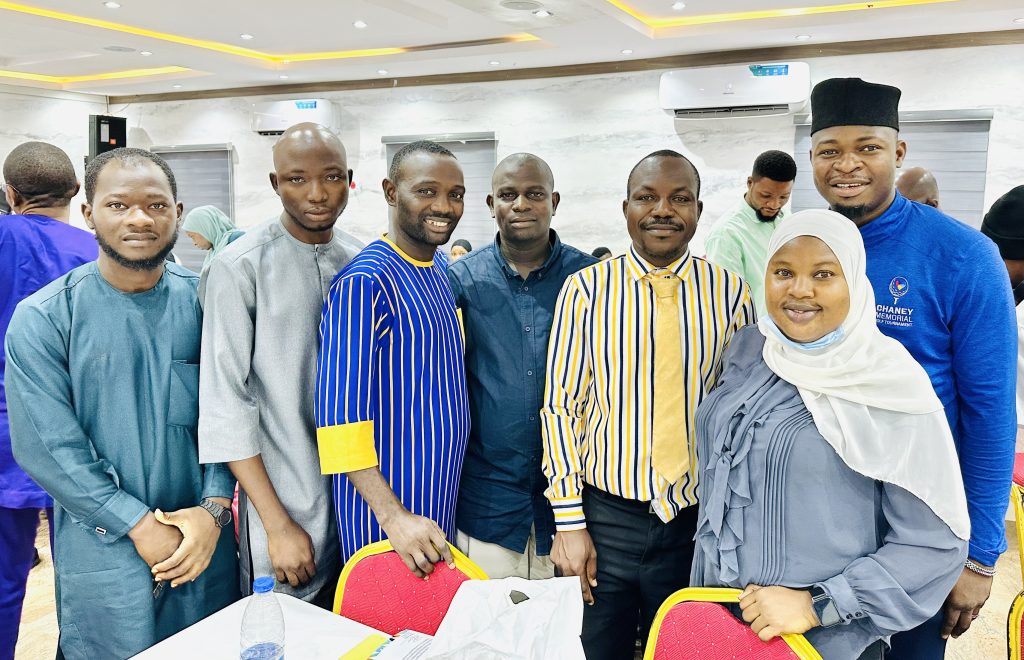
It brought together participants from diverse sectors including media, civil service, academia, business and persons with disabilities (PWDs).
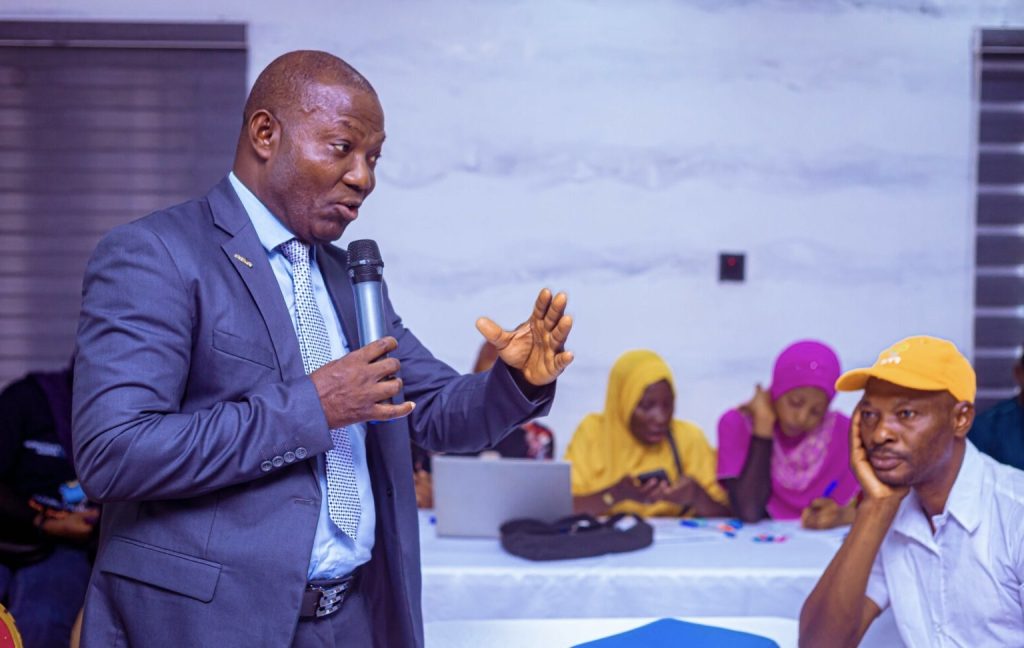
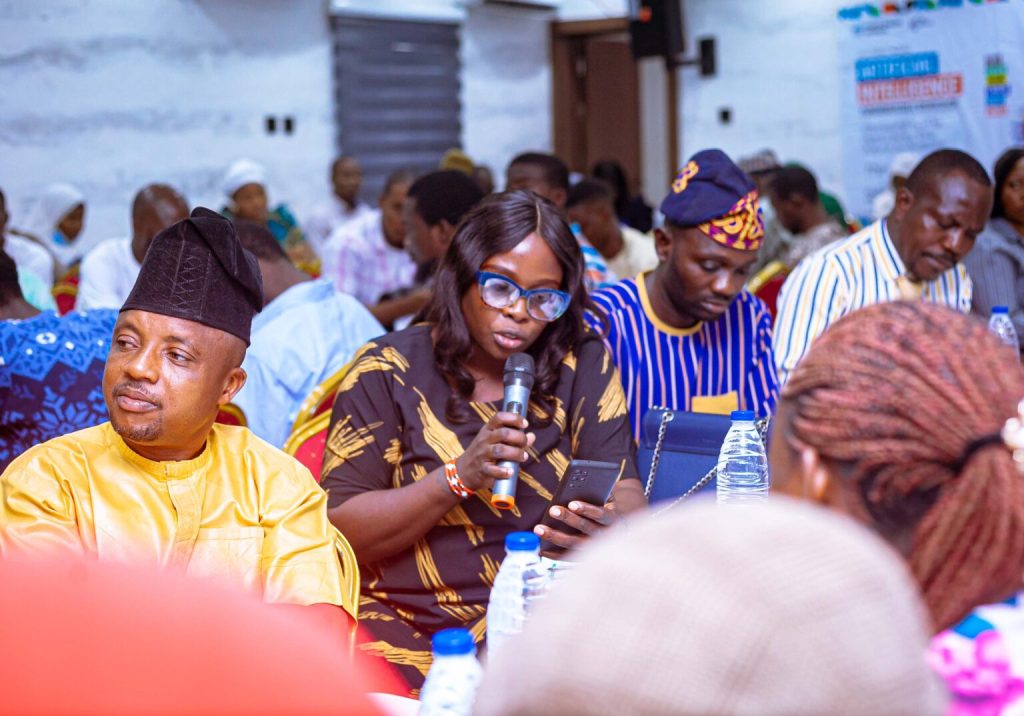
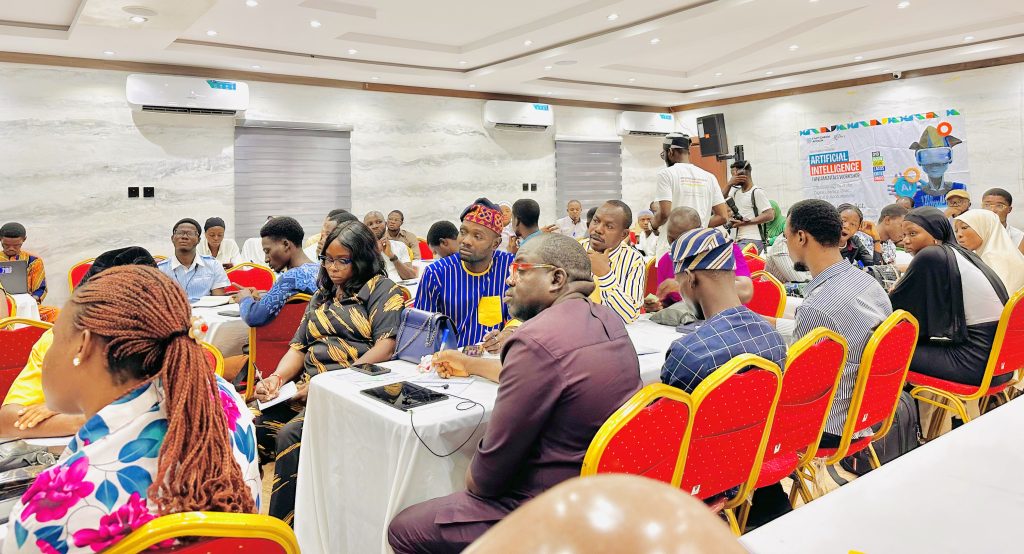
The training focused on equipping participants with practical AI skills to counter misinformation, safeguard voting rights and navigate the growing risks of AI-driven disinformation, particularly during election cycles.
- Youth at the Centre of Democratic Innovation:
In his welcome address, Habeeb Adisa, Head of Programs at FactCheckAfrica, emphasised the critical role of young people in shaping Nigeria’s democratic future.
“Young people are not only the largest users of digital platforms but are also critical actors in strengthening democracy and media integrity”, Adisa stated.
Participants at the session expressed the need for practical tools, ethical guidance and locally relevant AI solutions capable of combating misinformation without undermining civic freedoms
- AI Is the Enemy You Cannot Hate:
Delivering the keynote address, Professor Dele Odunlami, Dean of the Faculty of Social Sciences at Olabisi Onabanjo University, Ago-Iwoye, challenged participants to rethink AI beyond simplistic classifications of good or bad.
Speaking on the theme, “Poison as Antidotes: Role of Artificial Intelligence and Fact-Checking in Enhancing Media Accountability and Combating Misinformation”, Odunlami explained that the same technologies used to produce deepfakes, manipulated visuals and synthetic audio could also be deployed to detect and neutralise false narratives.
“At this point, AI is the enemy you cannot hate”, he remarked, warning that rejecting AI outright would leave journalists and fact-checkers vulnerable to sophisticated disinformation networks.
He further cautioned that AI-driven misinformation during elections poses serious threats to democratic participation, public trust and social cohesion.
- Practical Tools and Civic Applications:
The workshop blended policy discussions with hands-on demonstrations.
Ibrahim Mustapha Muhammed introduced MyAIFactchecker, described as Africa’s first AI-powered verification tool developed by FactCheckAfrica to assist journalists and citizens in identifying misleading claims.
In another practical session, Lukman Adeoti demonstrated how AI tools can be deployed in journalism and civil society work for content verification, research assistance and monitoring online narratives.
Mustapha Lawal outlined FactCheckAfrica’s broader initiatives in AI literacy, grassroots media education and civic-tech development aimed at strengthening public accountability.
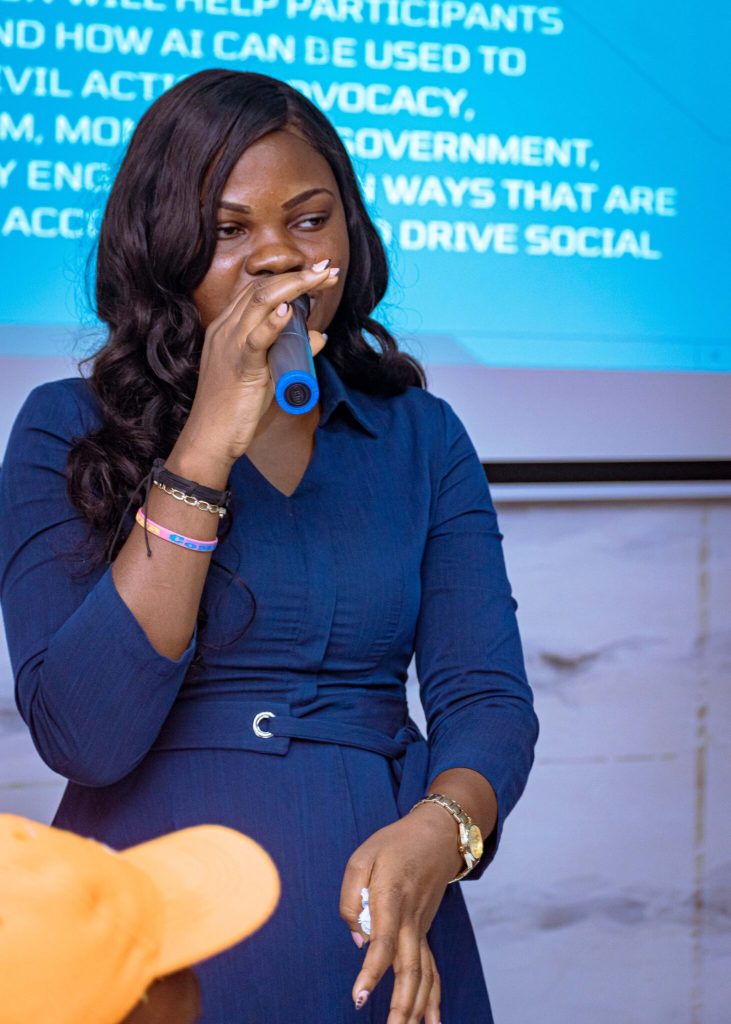
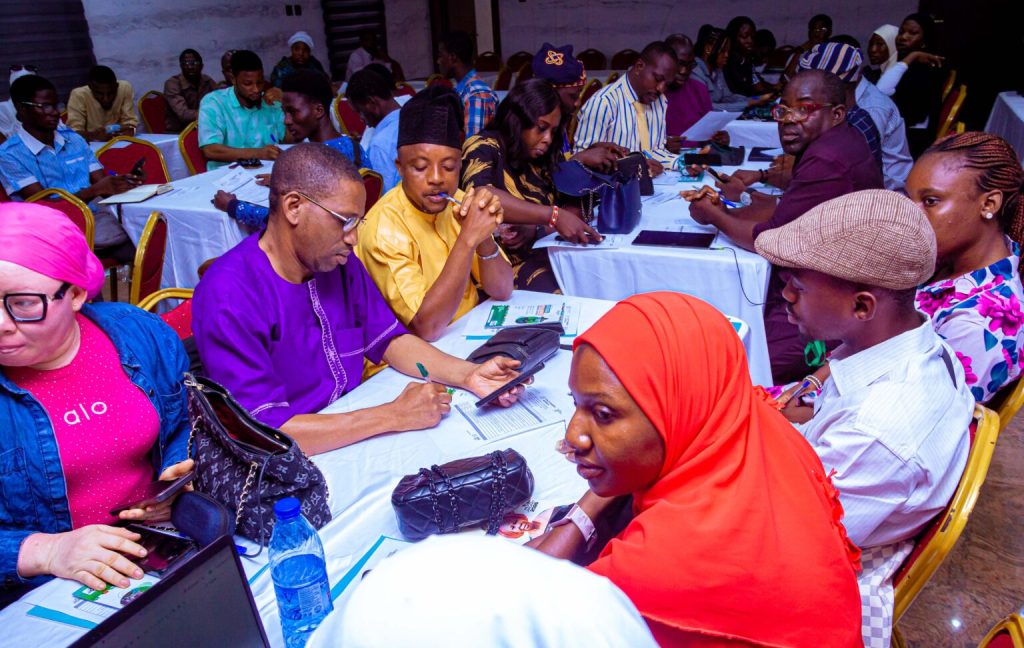
Blessing Oladunjoye, Executive Director of BO Foundation for Inclusive Media and Publisher of BONews Services, facilitated a session on AI-assisted civic interventions, stressing that technology must remain inclusive and transparent.
“AI is an assistant, not a judge”, participants were reminded, highlighting the importance of human oversight to prevent bias and automated harm.
- Collaboration, Ethics and Inclusion
Speakers repeatedly underscored the need for collaboration among fact-checkers, media organisations, technologists, academia and regulatory bodies ahead of future elections.
Professor Odunlami called for stronger institutional coordination involving the Nigeria Fact Checkers Coalition and other relevant stakeholders.
Ethical safeguards, including transparency in AI-assisted content, disclosure of verification methodologies and bias mitigation, were highlighted as essential standards.
Special attention was given to ensuring accessibility for underserved communities and persons with disabilities.
- Diverse Participation:
The event drew notable participants including Dr. Jamiu Folarin, Senior Lecturer in Mass Communication at Crescent University; Daud Olatunji, Editor of Platforms Times; PR expert Kunle Layeni; former Chief Press Secretary to Governor Dapo Abiodun, Kunle Somorin; and an Investigative Journalist/Nigeria Editor of Premier World News, (Westo) Wasiu Adekunle Adejumo, among other civic leaders and professionals.
- Looking Ahead:
Participants described the workshop as timely and practical, committing to replicate the training within their respective organisations and communities.
As Nigeria navigates an increasingly complex digital landscape, organisers reaffirmed their commitment to equipping media practitioners and civic actors with the tools necessary to uphold accuracy, accountability and democratic values in the evolving age of artificial intelligence.